PE Paper, Paper Cup, Carrier, Holder (click photo !!)

Coffee bean Grinder (Click photo !)

Mobile Cases & Mobile Screen Protector (Click photo !)

WORLD CLOCK

Monday, September 28, 2015

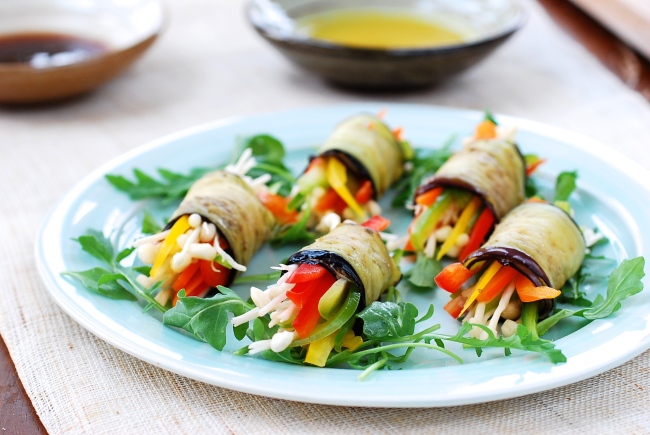
Eggplant rolls (gaji mari)

Eggplant rolls (gaji mari). (Korean Bapsang)
These gorgeous eggplant rolls are healthy and easy to make. They are called gaji mari in Korean. Gaji is eggplant, and mari refers to rolled up dishes. The thinly sliced eggplants are briefly cooked in a skillet, rolled up with other vegetables, and served with a sauce. 

Eggplants cook down significantly, so make sure they are not too slender when you buy them.

I used colorful fresh bell peppers and enoki mushrooms in this recipe. Play around with different vegetables such as carrot, cucumber, red cabbage and sprouts to create interesting combination of colors and texture.

Serve them with a hot mustard sauce or a soy-based sauce. These rolls are great as a side dish or simply as a salad. 

Ingredients:
2 Korean/Asian eggplants (long and thick)

2 to 3 tablespoons of perilla or sesame oil (or olive oil)

1/4 red bell pepper

1/4 orange bell pepper

1/4 yellow bell pepper

1/4 green bell pepper

1 package of enoki mushrooms (paengi beoseot)


Hot mustard sauce:

1 teaspoon Korean hot mustard (yeon gyeoja)

1 tablespoon vinegar

1 tablespoon rice syrup (or sugar)

1 tablespoon juice from grated pear or Korean plum syrup (or apple juice) 

1/8 teaspoon salt


Soy-based sauce:

1 tablespoon soy sauce

1 tablespoon vinegar

1 tablespoon Korean plum extract (or apple juice)

1 teaspoon sugar

pinch of black pepper

Prepare the filling vegetables by thinly slicing and cutting into short lengths.

Thinly slice the eggplant lengthwise by running a peeler through the eggplant while pressing it down as hard as you can. Putting pressure on the peeler will help with cutting even slices that are as thick as possible with a peeler. You can also use a mandoline to slice the eggplant.

Heat a pan with a tablespoon of oil. Place the eggplant slices in a single layer, lightly sprinkle with salt and pepper, and cook briefly over medium heat, 1 or 2 minutes per each side. Transfer to a plate. 

Lay an eggplant slice on a flat surface. Place assorted vegetables on top at one end of the eggplant slice and roll up all the way. Repeat until all eggplant slices are used up. 

Monday, September 14, 2015

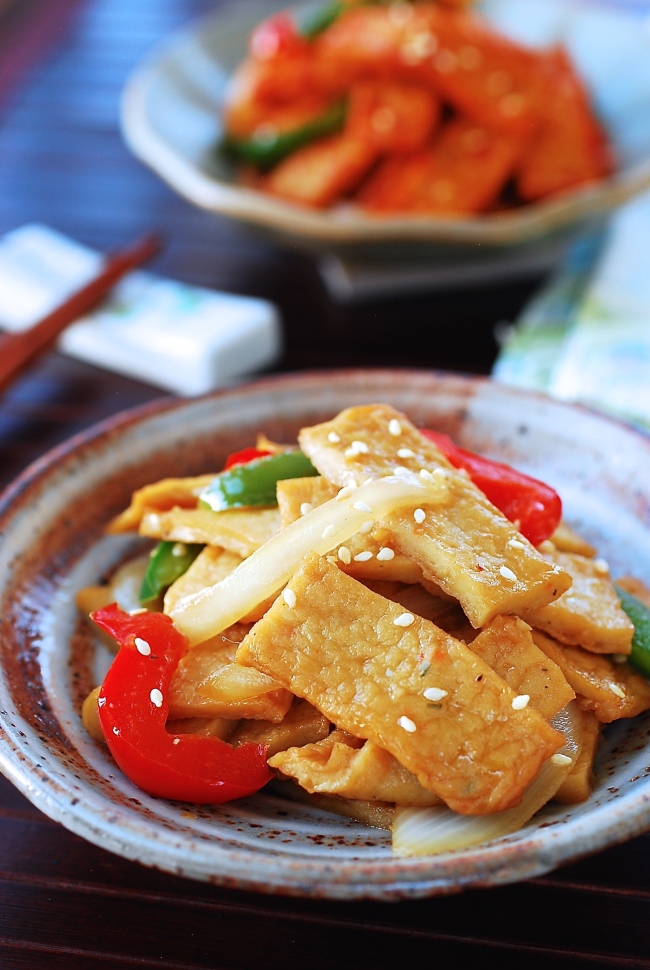
Eomuk Bokkeum (Stir-fried fish cakes)

Eomuk (fish cakes) are processed seafood made with pureed fish. Eomuk bokkeum is a stir-fried side dish that’s quick and easy to prepare. 

Busan is famous for the most delicious eomuk. You can use any type or shape for this eomuk bokkeum recipe. Slice the fish cakes if they are thick so the sauce can easily penetrate them. Thin rectangular eomuk is most commonly used type for this dish. It’s the type of eomuk we grew up with before the industry became highly sophisticated. 

This recipe uses onion and bell peppers to accompany the fish cakes, but you can use other vegetables, such as carrots, chili peppers or scallions.  

You can make it mild or spicy with this recipe. Simply add some gochugaru (Korean red chili pepper flakes) to the sauce to make it spicy. 
Eomuk Bokkeum (Korean Bapsang)

Ingredients:4 sheets eomuk 
1/4 red bell pepper
1/4 green bell pepper
1/4 small onion
Oil for stir-frying

Sauce:
2 tablespoons soy sauce
1 tablespoon rice wine
2 teaspoons sugar, corn or rice syrup
½ teaspoon minced garlic
Pinch black pepper
2 to 3 teaspoons gochugaru (Korean red chili pepper flakes) - only for the spicy version

Bring a medium pot of water to a boil. Plunge the eomuk sheets for 30 seconds. Drain and cool. This step removes excess oil and makes the fish cakes tender, but you can skip it if you want. 

Thinly slice the vegetables. Cut the fish cakes into bite size pieces. Combine all the sauce ingredients in a small bowl, and mix well until the sugar is dissolved. 

Heat a nonstick pan with a tablespoon of oil over medium high heat. Add the vegetables, and cook for a minute until slightly softened. Reduce the heat to medium. Add the fish cake, and stir-fry for 2 minutes. 

Drizzle the sauce over the fish cake and vegetables. Stir well, and cook until the sauce is all absorbed and the fish cakes and vegetables are tender, about 2 minutes. 

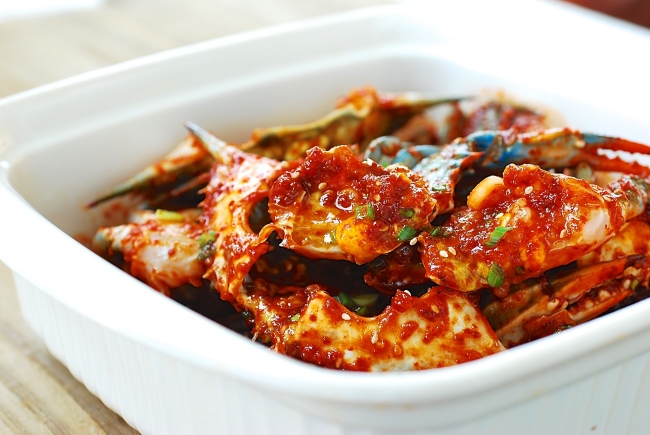
Yangnyeom gejang (spicy marinated raw crabs)

Yangnyeom gejang (Korean Bapsang)

Gejang is a traditional dish that is marinated in a salty soy sauce brine as a way of preserving the crabs for a long time. These days, the crabs are lightly preserved, in either a mild soy sauce-based brine (ganjang gejang) or in a spicy sauce (yangnyeom gejang), to be consumed within a few days. 

The most important thing is to buy the freshest crabs. Freezing them will help with cleaning. Clean the crabs very well under running water.

Making the spicy version is fairly simple. Prepare the seasoning (yangnyeom), clean the crabs, and mix with the seasoning. For ganjang gejang, the whole crabs are soaked in a soy brine. On the other hand, for yangnyeom gejang, the crabs are opened and cut into pieces before being marinated, for the sauce to coat and penetrate the crabmeat. 

This salty, spicy marinated crab dish will certainly live up to its reputation for being a “rice thief.” Be ready to enjoy with lots of rice! 

Ingredients:3 to 4 small to medium kkotge or blue crabs

Seasoning:
3 tablespoons gochugaru (or more to taste)
3 tablespoons soy sauce
1 tablespoon soup soy sauce, guk ganjang 
2 tablespoons rice wine
2 tablespoons corn syrup
1 tablespoon of plum syrup (maesil chung), or 2 tablespoons of grated pear 1 tablespoon lemon juice
1 tablespoon minced garlic
2 teaspoons finely grated (juiced) ginger
1 teaspoon sesame seeds
1 scallion, finely chopped

Put the live crabs in the freezer for an hour or two (longer is fine as well). Combine all the seasoning ingredients and mix well. The seasoning can be prepared a day or two in advance. It will further develop flavor as it sits. 

Plunge the frozen crabs in cold water to thaw. Separate the top shell and remove the gills. Clean the shell part of the crab thoroughly, with a kitchen brush or a toothbrush, under running water.

Break (or cut) the body in half (or quarters). You can cut off the sharp end of each small leg with a pair of kitchen scissors if preferred. Drain well in a colander in the fridge. It’s important to minimize the time that the crabs are out at room temperature. 

Combine the crabs and seasoning, and toss to coat well. Spoon some sauce into the top shells. Marinate for a few hours at least or up to a couple of days in the fridge. These spicy crabs are best eaten within a couple of days.

Sunday, September 6, 2015

Eomuk Bokkeum (Stir-fried fish cakes)

Eomuk (fish cakes) are processed seafood made with pureed fish. Eomuk bokkeum is a stir-fried side dish that’s quick and easy to prepare. 

Busan is famous for the most delicious eomuk. You can use any type or shape for this eomuk bokkeum recipe. Slice the fish cakes if they are thick so the sauce can easily penetrate them. Thin rectangular eomuk is most commonly used type for this dish. It’s the type of eomuk we grew up with before the industry became highly sophisticated. 

This recipe uses onion and bell peppers to accompany the fish cakes, but you can use other vegetables, such as carrots, chili peppers or scallions.  

You can make it mild or spicy with this recipe. Simply add some gochugaru (Korean red chili pepper flakes) to the sauce to make it spicy. 
Eomuk Bokkeum (Korean Bapsang)

Ingredients:4 sheets eomuk 
1/4 red bell pepper
1/4 green bell pepper
1/4 small onion
Oil for stir-frying

Sauce:
2 tablespoons soy sauce
1 tablespoon rice wine
2 teaspoons sugar, corn or rice syrup
½ teaspoon minced garlic
Pinch black pepper
2 to 3 teaspoons gochugaru (Korean red chili pepper flakes) - only for the spicy version

Bring a medium pot of water to a boil. Plunge the eomuk sheets for 30 seconds. Drain and cool. This step removes excess oil and makes the fish cakes tender, but you can skip it if you want. 

Thinly slice the vegetables. Cut the fish cakes into bite size pieces. Combine all the sauce ingredients in a small bowl, and mix well until the sugar is dissolved. 

Heat a nonstick pan with a tablespoon of oil over medium high heat. Add the vegetables, and cook for a minute until slightly softened. Reduce the heat to medium. Add the fish cake, and stir-fry for 2 minutes. 

Drizzle the sauce over the fish cake and vegetables. Stir well, and cook until the sauce is all absorbed and the fish cakes and vegetables are tender, about 2 minutes. 

Yangnyeom gejang (spicy marinated raw crabs)

Yangnyeom gejang (Korean Bapsang)

Gejang is a traditional dish that is marinated in a salty soy sauce brine as a way of preserving the crabs for a long time. These days, the crabs are lightly preserved, in either a mild soy sauce-based brine (ganjang gejang) or in a spicy sauce (yangnyeom gejang), to be consumed within a few days. 

The most important thing is to buy the freshest crabs. Freezing them will help with cleaning. Clean the crabs very well under running water.

Making the spicy version is fairly simple. Prepare the seasoning (yangnyeom), clean the crabs, and mix with the seasoning. For ganjang gejang, the whole crabs are soaked in a soy brine. On the other hand, for yangnyeom gejang, the crabs are opened and cut into pieces before being marinated, for the sauce to coat and penetrate the crabmeat. 

This salty, spicy marinated crab dish will certainly live up to its reputation for being a “rice thief.” Be ready to enjoy with lots of rice! 

Ingredients:3 to 4 small to medium kkotge or blue crabs

Seasoning:
3 tablespoons gochugaru (or more to taste)
3 tablespoons soy sauce
1 tablespoon soup soy sauce, guk ganjang 
2 tablespoons rice wine
2 tablespoons corn syrup
1 tablespoon of plum syrup (maesil chung), or 2 tablespoons of grated pear 1 tablespoon lemon juice
1 tablespoon minced garlic
2 teaspoons finely grated (juiced) ginger
1 teaspoon sesame seeds
1 scallion, finely chopped

Put the live crabs in the freezer for an hour or two (longer is fine as well). Combine all the seasoning ingredients and mix well. The seasoning can be prepared a day or two in advance. It will further develop flavor as it sits. 

Plunge the frozen crabs in cold water to thaw. Separate the top shell and remove the gills. Clean the shell part of the crab thoroughly, with a kitchen brush or a toothbrush, under running water.

Break (or cut) the body in half (or quarters). You can cut off the sharp end of each small leg with a pair of kitchen scissors if preferred. Drain well in a colander in the fridge. It’s important to minimize the time that the crabs are out at room temperature. 

Combine the crabs and seasoning, and toss to coat well. Spoon some sauce into the top shells. Marinate for a few hours at least or up to a couple of days in the fridge. These spicy crabs are best eaten within a couple of days.

Tuesday, July 28, 2015

Home Cooking: Dak Kalguksu

This boiling hot noodle soup is a popular summertime dish in Korea. 

Kalguksu literally means “knife noodles”, but it actually refers to a steaming hot noodle soup that’s traditionally made with handmade, knife-cut noodles. 

There are many variations using different ingredients for the soup base or for the dough. Dak (chicken) kalguksu is made with a rich chicken broth, and shredded chicken meat. 


For convenience, you can use commercially packaged fresh kalguksu noodles available in the refrigerated section of Korean markets. Parboil the noodles in a separate pot before adding to the chicken broth. Otherwise, the soup can get very thick from all the starch the noodles release while cooking. 

Dak kalguksu is traditionally made with a whole chicken. It’s a cheap way to feed more people, not to mention the stock will be more flavorful. You can cut up a whole chicken before boiling if you want it to cook a little faster. If you want to use cut chicken pieces, leg quarters and chicken wings will be good for a flavorful stock. 

For the soup:1 small whole chicken, or bone-in cut pieces (about 1.2 kilogram)
1/2 medium onion
8 plump garlic cloves
3 to 4 thinly sliced ginger pieces
2 white parts of scallions
1 3-inch square dried kelp 
1/4 medium onion, thinly sliced
1 tablespoon soup soy sauce

For the meat:1 teaspoon minced garlic
salt (about 1/2 teaspoon) and pepper to taste

For the vegetables:1 medium zucchini, julienned
2 scallions, finely chopped

For the noodles:1 package fresh kalguksu noodles 

For the sauce (Yangnyumjang) - Optional: 
3 tablespoons soy sauce
1 teaspoon sesame oil
1 teaspoon Korean red pepper flakes (gochugaru)
1 teaspoon sesame seeds
1 teaspoon minced garlic
2 – 3 scallions, finely chopped

Place the cleaned chicken in a stockpot large enough to hold the chicken and 12 cups of water. Add the onion, garlic, ginger, and scallions, and 12 cups water. Bring it to a boil over medium high heat. Skim off any foam on top. Reduce the heat to medium low and simmer, covered, for about 40 minutes. Adjust cooking time for cut pieces. 

Sprinkle the julienned zucchini with salt for about 15 minutes and squeeze out the water. Briefly sauté in a heated pan with a little bit of oil. Set aside.

Cut through the thickest part of the breast, with a knife, to see if the chicken is cooked and tender. Turn the heat off and carefully remove the chicken. 

When the chicken is cool enough to handle, remove the meat off the bones. Shred the meat into small bite size pieces. Add the garlic, salt and pepper to the chicken. Combine well. 

Strain the broth and remove the excess fat. You can line the strainer with a paper towel or use a fat separator. 

Return the broth back to the pot. Add the dried kelp, onion slices, and soup soy sauce. Bring it to a boil and boil for a few minutes. Add salt and pepper to taste. Remove the kelp. 

Meanwhile, in another pot, boil water to cook the noodles. Parboil the noodles. 

Remove the noodles with a strainer and add to the pot with the broth. 

Continue to boil until the noodles are cooked through. 

To serve, ladle the noodles and soup in a serving bowl, top with the chicken pieces, zucchini and chopped scallion.

Saturday, July 11, 2015

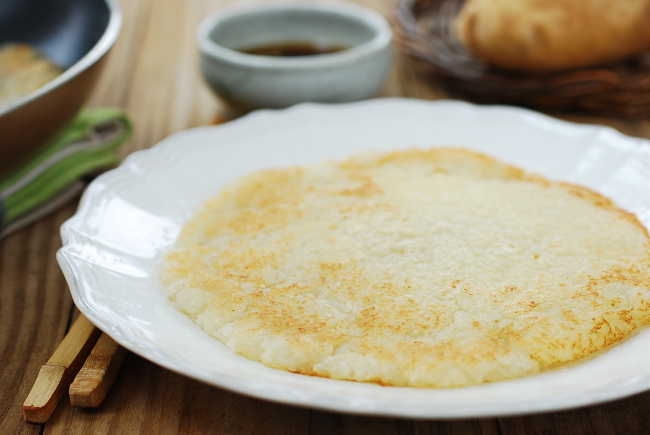
Gamjajeon (potato pancakes) Gamjajeon is a variety of Korean savory pancake made with grated or ground potatoes

Gamjajeon is a variety of Korean savory pancake made with grated or ground potatoes. It’s a humble dish that can simply be made with potatoes. But, a little bit of onion helps prevent discoloring of the potatoes without overpowering their flavor. This is a basic recipe, but you can add other vegetables such as garlic chives (buchu), chili peppers, and/or perilla leaves (kkaennip) if you like.


You can grate the potatoes or grind them in a blender or a food processor. I like to grate them on a grater for a coarse texture. Whichever method you use, you need to remove some water content from the grated potatoes, or it will be too watery for a pancake batter. Do not throw away the drained water since it contains valuable starch. Let the starch water sit for a while until the starch sinks to the bottom and forms a dense, white layer. Carefully pour out the water, and use the starch in the batter. This is the traditional way to make a potato pancake batter without adding flour or powder starch. 

Makes 2 large pancakes

Ingredients:

1/4 medium onion

2 large or 3 medium potatoes

1/4 teaspoon salt

oil for pan frying

Peel and grate the onion (about 2 to 3 tablespoons). Place in a large bowl. Peel and grate the potatoes, capturing the liquid. If using a blender or food processor, grind the onion and potatoes together.

Drain the grated potato in a bowl lined with a strainer, reserving the liquid. Immediately transfer the potato to the bowl with the grated onion, and mix well. 

Let the reserved potato liquid sit for about 10 minutes. The starch in the liquid will sink to the bottom. Carefully pour out the water, saving the starch. Add the starch and salt to the potato mix. Stir to combine well. 

Heat a skillet with two tablespoons of oil over medium heat. Add 1/2 of the batter, and spread it evenly into a round shape. You can make smaller pancakes if you like. Reduce the heat to medium low, and cook until the bottom is light golden brown, about 2 minutes on each side. Repeat the process with the remaining batter. Serve hot with a dipping sauce.